

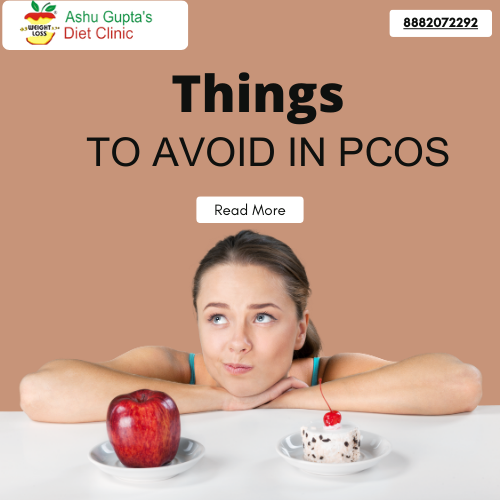
Certainly! Polycystic ovary syndrome (PCOS) is a hormonal disorder in Female that can impact various aspects of a Women’s health. While individual needs vary, here are some general things to consider avoiding or minimizing if you have PCOS:
Refined Carbohydrates and Sugars: Highly processed carbohydrates and sugary foods can lead to rapid spikes in blood sugar levels, which can exacerbate insulin resistance commonly seen in PCOS. Opt for whole grains, fiber-rich foods, and balanced meals to help stabilize blood sugar.
High Glycemic Index Foods: Foods with a high glycemic index (GI) can also cause rapid spikes in blood sugar. These include white bread, sugary cereals, and sweets. Choose low-GI foods like whole grains, legumes, and non-starchy vegetables.
Saturated and Trans Fats: Diets high in unhealthy fats may contribute to inflammation and insulin resistance. Limit the consumption of foods like fried items, processed snacks, and fatty cuts of meat.
Dairy and Hormones: Some individuals with PCOS might be sensitive to dairy products due to their potential impact on hormones. Consider trying alternatives like almond milk, coconut milk, or lactose-free options if you suspect dairy sensitivity.
Excessive Caffeine and Stress: High caffeine intake can affect cortisol levels and potentially worsen hormonal imbalances. Additionally, chronic stress can disrupt hormone regulation.

Overly Restrictive Diets: Extreme diets can lead to nutrient deficiencies and disrupt the body's balance. Instead, focus on balanced, nutrient-dense meals that provide a variety of vitamins and minerals.
Unregulated Snacking: Frequent snacking, especially on processed foods, can contribute to erratic blood sugar levels. Aim for balanced meals and consider planned, healthy snacks if needed.
Excessive Alcohol Consumption: Alcohol can affect liver function and metabolism, potentially exacerbating hormonal imbalances.
Endocrine Disruptors: Certain chemicals found in plastics, canned foods, and personal care products can act as endocrine disruptors, potentially worsening hormonal imbalances. Opt for glass containers and products labeled as paraben-free or phthalate-free.
Skipping Meals: Irregular eating patterns, such as skipping meals, can disrupt blood sugar levels and contribute to insulin resistance.
Inadequate Physical Activity: Leading a sedentary lifestyle can worsen insulin resistance and weight management challenges associated with PCOS. Incorporate regular physical activity that you enjoy.
Lack of Sleep: Poor sleep can do hormonal Imbalance and contribute to insulin resistance. Get consistent, quality sleep each night.
Remember, individual needs can vary, and it's important to work with a healthcare professional, such as a registered dietitian or endocrinologist, to create a personalized plan that aligns with your specific health goals and PCOS symptoms.


Your Insight & Reviews (0)
No reviews yet. Be the first to share your thoughts on this article!
Leave a Comment or Review